Imagine this: you’ve spent six months and $100K building what you believe is the perfect product. Board meetings are optimistic, dev sprints have been long, features keep piling up—and then you launch. Crickets. Nobody’s really using it. Why? Because you built everything before you built anything that matters.
You’re spending too much on development without validating anything.
That sentence might feel harsh, but for many founders and C‑suite teams it’s a painful truth. The world of startups moves fast. If you’re still building feature #37 and hope users will magically “get it”, you risk being late, irrelevant, or worse, unfunded.
This is where a smart MVP, one designed with strong UX/UI, becomes your startup’s secret weapon. Let’s walk through why building less, but better, accelerates validation, saves money, and attracts investors.
1. The Costly Myth of Building the “Perfect Product”
Many startup leaders fall into the trap of “We’ll do it once, we’ll do it right, we’ll launch big.” It sounds noble, and sometimes even necessary, but in reality it often means:
- Over‑engineering every feature before you’ve proven the core idea.
- Delayed launch timelines (months, sometimes a year or more) with no real user feedback in the meantime.
- Huge burn‑rate on development, design, and infrastructure while you wait for “perfect”.
- Risk that when you do launch, users don’t resonate with your product because you built your vision, not theirs.
The biggest cost? Time and money. And in a startup world, those equate to runway and relevance. Worse: if you haven’t validated your idea, you could be investing in something nobody wants.
2. What a Smart MVP Actually Looks Like
So what’s the alternative? A Minimum Viable Product (MVP), but not sloppy or un‑designed. A version with enough polish and clarity to test your core hypothesis. A version with UX/UI built in, not tacked on.
Here’s what it entails:
- Solve one core pain point. You don’t build every feature; you build the essential one.
- Deliver a usable product—not a mock‑up or prototype only, but a product real users can interact with. As one design guide says: “an MVP is the simplest version of a product that UX teams can ship and test with users.”
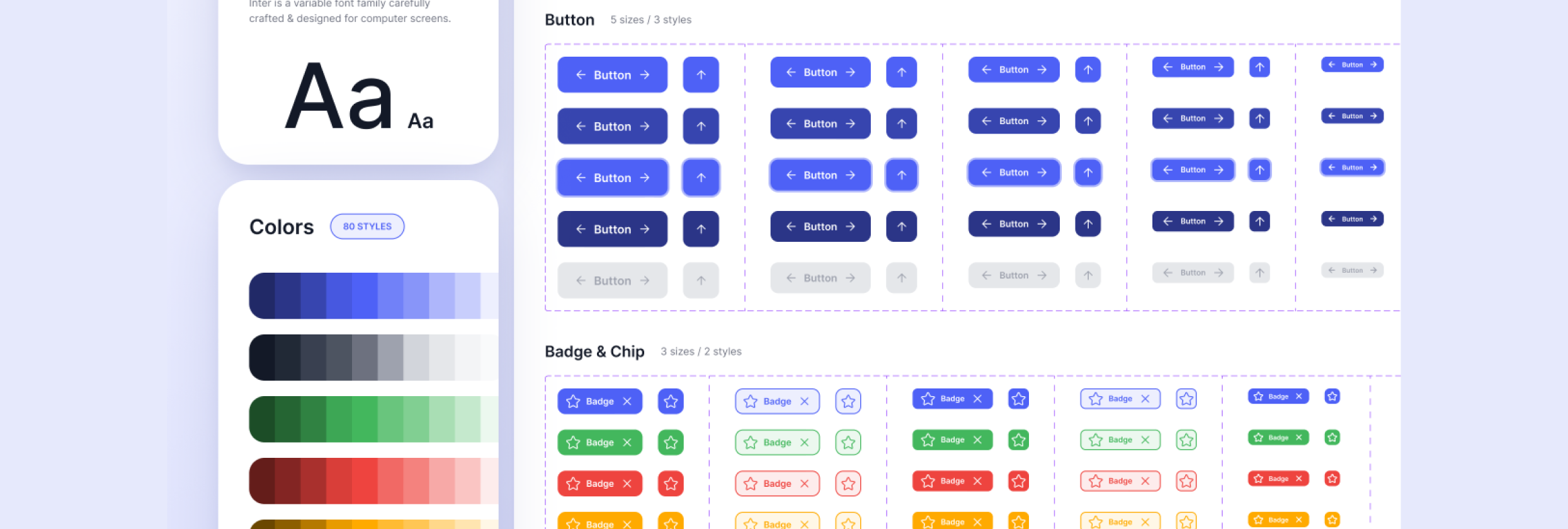
- Pair that lean feature set with thoughtful UX and UI: intuitive flows, clear interface, trustworthy visuals. Because even an MVP must feel credible.
- Launch, measure, learn, iterate. Build, gather user insights, improve. The lean cycle.
In short: your MVP is minimal in features but maximal in clarity of experience.
3. Why Investors Love Well‑Built MVPs
From a founder’s perspective, the MVP is about validation and efficiency. But from an investor’s lens it signals discipline, focus, and execution ability. Here’s why a strong MVP gets attention:
- It shows you can ship. You didn’t wait until everything was perfect, you got something real into users’ hands.
- It provides hard data: user sign‑ups, usage patterns, retention, all early signals that matter more than hype.
- It reduces risk: fewer wasted features = lower burn = longer runway. That’s attractive for investors.
- Strong UX/UI in the MVP signals you care about the product experience, not just building “stuff”. It says: you understand users.
- Ultimately, you’re saying to investors: “We’re not guessing, we’re learning. And we’re aligned for growth.”
4. Validation Over Assumptions
Let’s pause on those two words: validation and assumptions. Too many startups still build huge swaths of product because of assumptions: “Users will want feature X.” “They’ll love this workflow.” “They’ll pay for this premium.” But without real feedback, those are bets, not insights.
When you launch a lean MVP with excellent UX/UI, you can:
- Test your hypothesis: does the user care about this feature, flow, or value proposition?
- Observe actual user behaviour: you’ll see where users get stuck, what they ignore, what surprises them.
- Adapt fast: fix what matters, drop what doesn’t, iterate intelligently.
One design article states: “An MVP allows you to test your product idea with real users in the market… de‑risk product investment by only pursuing products users actually want.”
In storytelling terms: imagine a founder launches a simple version, watches 100 users use it in week one, collects feedback, and pivots or doubles down within days. That’s far better than building for months in the dark.
5. UX/UI as a Strategic Advantage
Here’s where many startup teams stumble: They build minimal features but throw in a rough UI, clunky flows, confusing onboarding—and then wonder why users drop off. The lesson: UX/UI is not “nice to have”—it’s strategic.
Why UX/UI matters in the MVP stage:
- First impressions count: Users judge credibility in seconds. A mediocre interface undermines trust.
- Usability equals retention: If the MVP is frustrating, the feedback you get will be about frustration, not your hypothesis. That skews your insights.
- Speed and cost savings: Clear flows, defined design systems, minimal rework, these save money down the road. A UX‑led MVP approach “allows you to reduce product abandonment cases … save time and valuable resources.”
- Scalability built‑in: A well‑designed MVP sets patterns and frameworks you can build upon. You won’t need to re‑design everything when you scale.
In other words: strong UX/UI isn’t a cherry on top—it’s the foundation on which your lean MVP stands.
Conclusion: Start Smart, Scale Confidently
So what’s the overarching message to CEOs, founders, and C‑suite leaders? It’s this: don’t build the final product yet, build the right product now. Focus on what matters: validate early, learn fast, spend smart.
If you’re watching feature‑lists grow, dev costs climb, timelines stretch, and you still haven’t launched, ask yourself: Are you building because you believe or because you’ve tested?
An MVP isn’t less. It’s smarter. It sets you on the right path, saves you money, and signals to investors that you understand what startup success is really about.
__________________________________
FAQs
What is a smart MVP?
It’s a version of your product with just enough features to deliver real value and test your hypothesis, combined with thoughtful UX/UI to ensure users engage and give meaningful feedback.
Why is UX/UI important in an MVP?
Because even a minimal product fails if the user experience is confusing, clunky, or mistrusted. Strong UX/UI helps turn early adopters into real users and gives you better data.
How does a good MVP attract investors?
It shows you can execute, iterate, and learn. It demonstrates traction, reduces risk, and signals product‑market fit potential, all things investors look for.
How much should you spend on an MVP?
There’s no fixed number. The key is to spend just enough to build the value‑delivering feature with usable UX/UI, then validate fast rather than investing in full scale upfront.
Can you launch with just an MVP?
Yes, and you should. The goal is not perfection. It’s validated learning. Launching smart early gives you a head start, real user insights, and investor credibility.